العربية




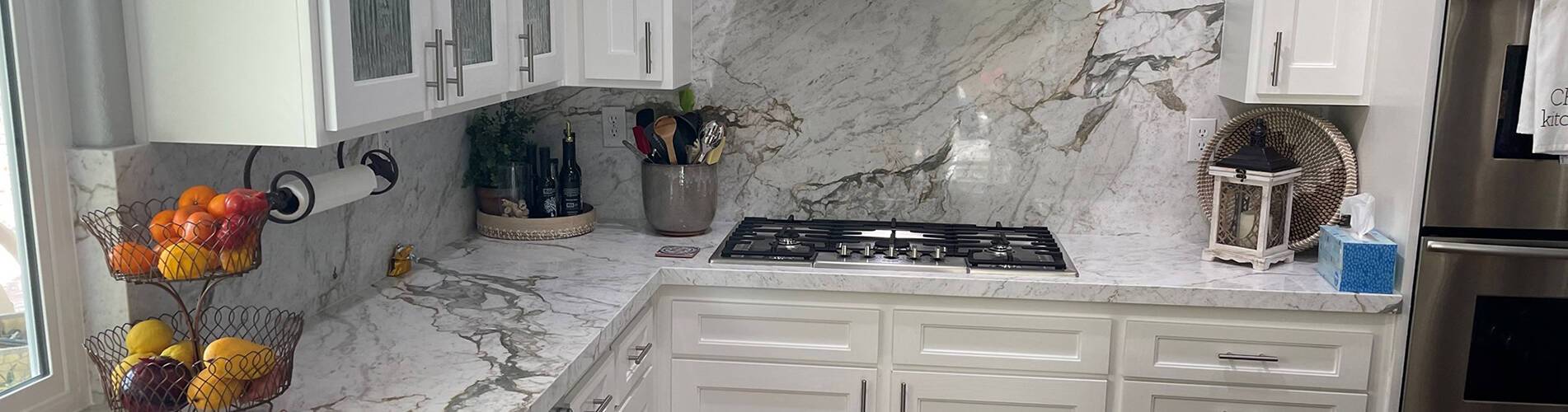
إجابة سريعة:يتحول الرخام الأبيض إلى اللون الأصفر لخمسة أسباب رئيسية: تأكسد المعادن الحاملة للحديد داخل الحجر؛ وتنشيط الرطوبة للحديد أو الملوثات ونقلها؛ وظهور مواد التثبيت والطبقة الأساسية من خلال الحجر الشفاف؛ وتراكم الشمع أو الطلاءات أو الأوساخ على السطح؛ والحديد الخارجي من المعادن أو أنابيب المياه أو الماء. يُعد تأكسد الحديد الداخلي السبب الذي يتبادر إلى ذهن معظم الناس أولاً، وهذا الخطأ التشخيصي هو الأكثر شيوعاً. قبل اختيار أي معالجة، يجب تحديد ما إذا كان اللون موجوداً على سطح الرخام، أو داخله، أو خلفه. لا يمكن لبيانات امتصاص الماء الإجابة على هذا السؤال، ولكن يمكن لنمط اللون وموقعه وتوقيته وحالة الرطوبة وتركيبه المعدني أن تُجيب على هذا السؤال.
جدول المحتويات
يمكن أن يتحول لون الرخام الأبيض إلى الأصفر أو البرتقالي أو البني الدافئ عبر آليات مختلفة، وتتطلب كل حالة منها معالجة مختلفة تمامًا. يُعدّ تأكسد الحديد السبب الرئيسي في هذه العملية، وهو ما يعتبره المختصون في هذا المجال سببًا حقيقيًا ومهمًا، لكنّ اعتباره السبب الأولي يدفع الناس إلى استخدام مزيلات البقع، بينما تكمن المشكلة الحقيقية في طبقة من الشمع، أو سطح رخامي رطب، أو تركيب معدني على بُعد بوصتين.
إذن، السؤال الأول ليس "ما هو المنظف الذي يجب أن أستخدمه؟" بل هو:
هل اللون الأصفر موجود على السطح، أم داخل الرخام، أم يظهر بصرياً من خلفه؟
ومن ثم، يتم تحديد ما يجب فحصه بناءً على النمط والموقع والتوقيت وحالة الرطوبة وتاريخ التركيب.

يتكون الرخام الأبيض بشكل أساسي من معادن الكربونات، لكن الرخام الطبيعي يحتوي أيضاً على معادن ثانوية، بما في ذلكالبيريت والهيماتيت ومعادن أخرى حاملة للحديدفي ظل ظروف الرطوبة والأكسجين المناسبة، تتأكسد هذه المواد وتنتج تغيراً في اللون إلى الأصفر أو البرتقالي أو البني.
تحدد طريقة توزيعها شكل المشكلة. قد تتواجد المعادن الحاملة للحديد في جيب معزول، أو تتبع عرقًا طبيعيًا، أو تنتشر عبر منطقة أوسع، لذا يظهر تغير اللون المرتبط بالمعادن على شكل بقعة برتقالية بنية معزولة، أو اصفرار يتبع عرقًا، أو تلون أصفر بني منتشر واسع النطاق.
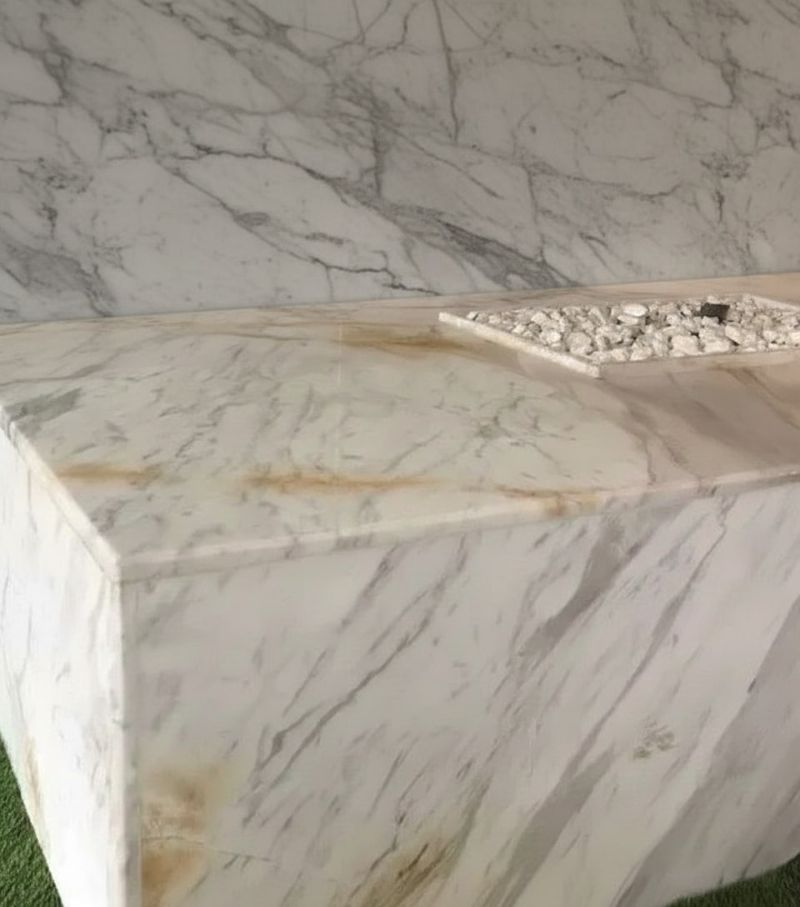
هناك نقطة واحدة تستحق التوضيح بوضوح، لأنها تُذكر على نطاق واسع بالعكس:لا يُعد الكالسيت والدولوميت مصدر الصدأ، بل المعادن الثانوية الحاملة للحديد هي المصدر.لا يصفر الرخام الأبيض بسبب احتوائه على نسبة عالية من الكربونات. بل يصفر عندما يزوده شيء ما بالحديد أو الماء من داخله أو حوله.

يُذكر عادةً أن الرطوبة سببٌ للاصفرار، لكن الماء نادراً ما يُنتج الصبغة الصفراء بنفسه. ما يفعله هو تعزيز أكسدة المعادن الحاملة للحديد، ونقل مركبات الحديد الذائبة عبر الحجر، وحمل الملوثات من طبقة التثبيت أو الركيزة، وإبقاء التركيب رطباً لفترة كافية لظهور تغير اللون.
لهذا التمييز نتيجة عملية: تجفيف أو تغليف سطح الرخام لا يؤثر على المادة أو مصدر الرطوبة الموجود أسفلها.

يكشف الرخام الأبيض الفاتح الشفاف عما يكمن تحته. قد يؤدي استخدام طبقة رقيقة رمادية اللون، أو طبقة أساسية داكنة، أو تغطية غير متساوية للمادة اللاصقة، أو رطوبة مستمرة، إلى تغيير اللون الظاهر للرخام، بينما لا يتفاعل الرخام نفسه مع الحديد على الإطلاق. كما قد تُسبب مواد التثبيت مشاكل كيميائية ومشاكل في التوافق، خاصةً مع الأحجار الحساسة للرطوبة أو المدعومة بالراتنج.
لذا، يجب فصل الاصفرار الكيميائي والشفافية البصرية قبل البدء بأي معالجة. وسيتم تناول متغيرات التركيب التي تؤثر على كليهما بالتفصيل لاحقًا.
يؤدي تراكم الشمع، وتلف الطلاءات السطحية، وبقايا الصيانة، والأوساخ العالقة في الطبقة النهائية البالية، إلى ظهور الرخام الأبيض بلون كهرماني أو أصفر. تأكد من أن التغير اللوني سطحي قبل تشخيص أي مشكلة داخلية.
يُعد الحديد الخارجي فئة منفصلة أخرى. فالمسامير المعدنية، ومكونات السباكة، وقواعد الأثاث، والمياه المحتوية على الحديد تُسبب بقعًا برتقالية بنية اللون دون أن يكون الرخام مصدرًا للحديد.
يمكن أن يكون الرخام الأبيض هو السائدالكالسيوم، في الغالبالدولوميتأو مزيج من كلا المعدنين الكربوناتيين. التمييز حقيقي، لكنه لا يُعتد به كقاعدة عامة للاصفرار.
لا يكفي تصنيف الكالسيت مقابل الدولوميت وحده للتنبؤ بالاصفرار الشبيه بالصدأ.
لا يزال رخام الدولوميت يحتوي على البيريت والهيماتيت ومعادن ثانوية أخرى حاملة للحديد. والسؤال المهم ليس أي الكربونات هي السائدة، بل ما إذا كانت المعادن الحاملة للحديد موجودة في الحجر نفسه.
وينطبق التحذير نفسه على أرقام الامتصاص. فقد يكون للحجر امتصاص منخفض للماء ومع ذلك يحتوي على معادن حديدية موضعية، ولهذا السبب لا ينبغي أبدًا التعامل مع بيانات الامتصاص وعلم المعادن على أنها قابلة للتبادل.
هذا هو الشق الأولي الأكثر فائدة، وهو أيضاً الأقل تكلفة - إذ يمكن تأكيد أو استبعاد الأسباب السطحية في غضون ساعات قليلة، بينما يكون الفحص المعدني بطيئاً ومكلفاً. استبعد الطبقة السطحية قبل فتح الحجر.
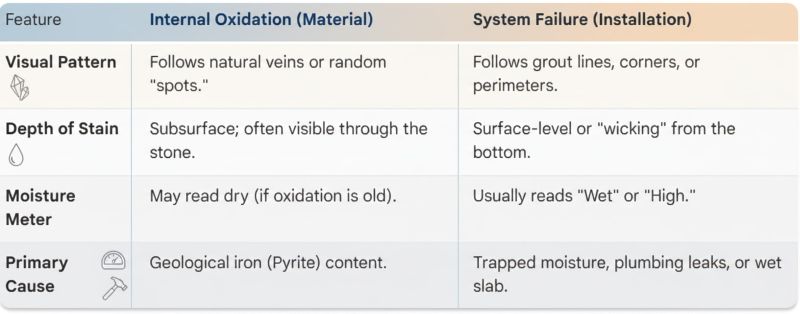
افحص السطح أولاً عندما يظهر تغير اللون على شكل طبقة واسعة بلون الكهرمان أو الشمع، ويتركز في مناطق المرور، ويأتي مصحوبًا بفقدان اللمعان، أو يتبع تاريخًا معروفًا من الشمع أو الطلاء الموضعي.
يُحسم الأمر باختبار تنظيف أو إزالة طلاء احترافي مُحكم. إذا زالت الطبقة الواقية وعاد الحجر الأبيض المتوقع، فإن تغير اللون كان مشكلة سطحية.
تُعطى الأولوية لتغير لون المعادن الداخلية عندما ترى بقعًا معدنية برتقالية بنية معزولة، أو بقعًا تتبع العروق الطبيعية، أو تلونًا أصفر بنيًا منتشرًا بعمق مرئي، أو تغيرًا في اللون يبقى دون تغيير بعد التنظيف السطحي العادي.
عند هذه النقطة، قم بمقارنة ظروف الرطوبة في جميع أنحاء المنشأة، وعندما تبرر قيمة المشروع ذلك، قم بفحص المعادن الحجرية.
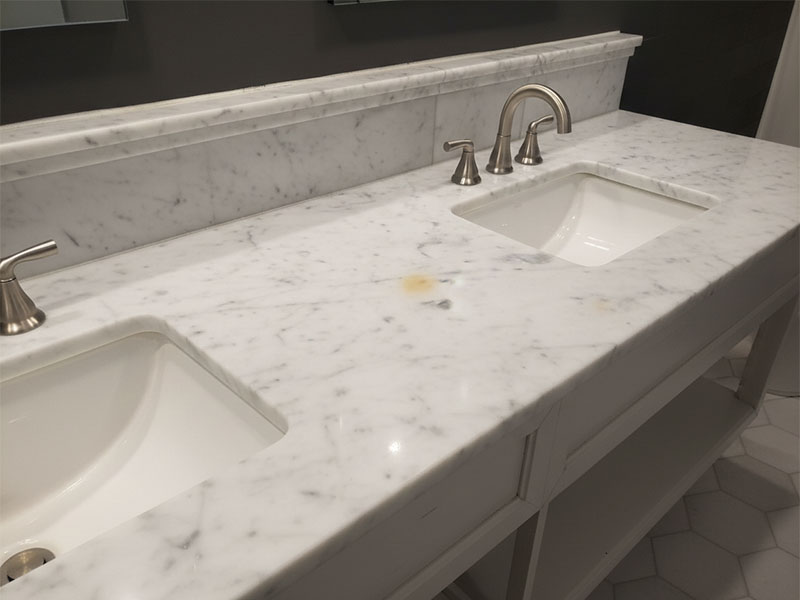
يكشف الرخام الشفاف عن ما تحته: طبقة رقيقة رمادية اللون، وطبقة أساسية داكنة، وفراغات الملاط، واختلافات في سماكة المادة اللاصقة، والمناطق الرطبة والجافة أسفل الحجر. لذا، فإن اللون الدافئ أو الرمادي المصفر لا يدل بالضرورة على اصفرار كيميائي.
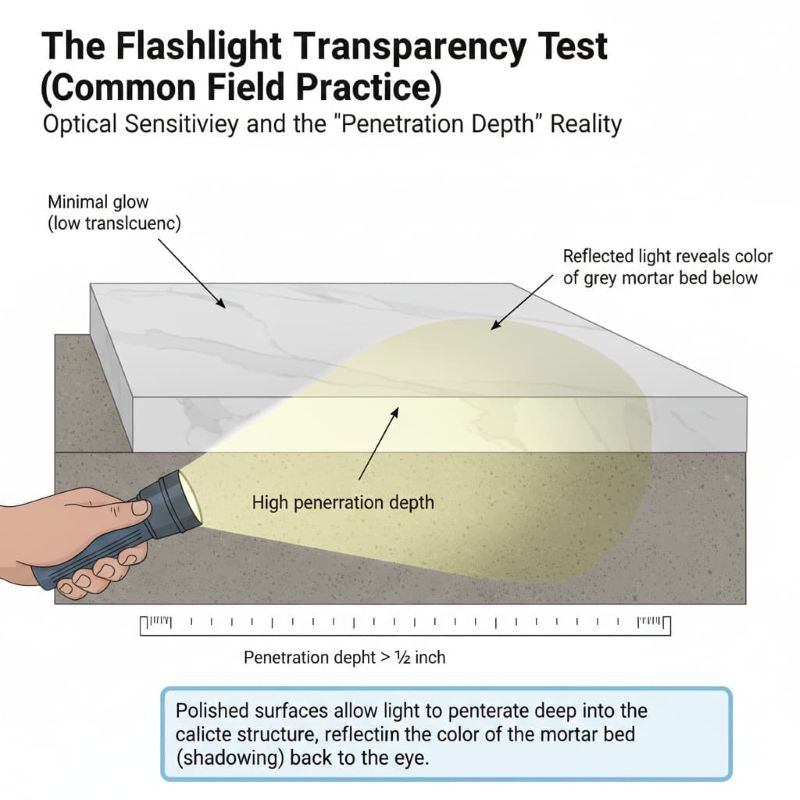
قبل معالجة الرخام الأصفر، حدد ما إذا كان اللون موجودًا على الحجر، أو داخله، أو قادمًا من خلفه.
لا يحل النمط محل الاختبار، ولكنه يحدد ترتيب التحقيق - والمنطق الأساسي بسيط:
كلما كانت هندسة تغير اللون أكثر انتظامًا وقابلية للتكرار، كلما أصبح التباين الطبيعي العشوائي أضعف كتفسير أولي.
ينتج عن جيولوجيا الأحجار الطبيعية توزيع غير منتظم للمعادن، ولا تعكس هندسة البناء.

| ما تراه | ابدأ بالتحقيق |
|---|---|
| بقعة برتقالية بنية معزولة، لا علاقة لها بالفواصل أو الملاط | معدن موضعي يحتوي على الحديد، أو معدن خارجي ملامس |
| يتبع الاصفرار مسار العرق الطبيعي وليس خط الجص | تركيز المعادن داخل ذلك العرق |
| نمط شبكي منتظم | دعامة شبكية أو راتنجية، ومادة لاصقة للدعامة |
| علامات المجرفة، نقاط لاصقة، هندسة تغطية الملاط | مادة التثبيت والتغطية والشفافية البصرية |
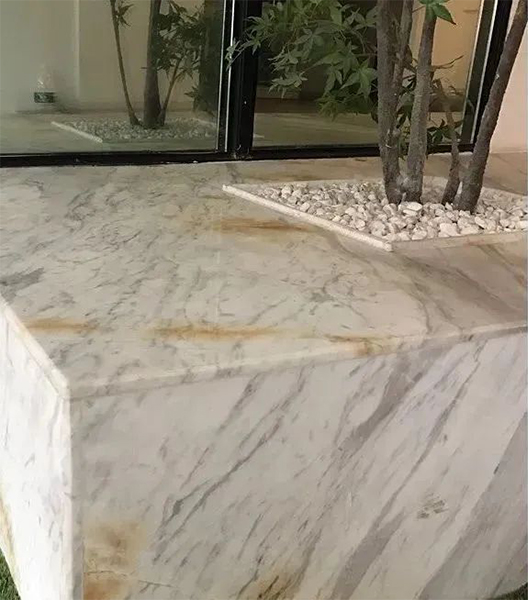
| خط أصفر على طول خط التماس | مادة لاصقة للمفاصل، حافة مكشوفة، رطوبة موضعية |
| إطار حول كل بلاطة أو لوحة ("تأطير الصور") | امتصاص الحواف، رطوبة طبقة التثبيت، التجفيف التفاضلي |
| حلقة صفراء حول فتحة تصريف أو فتحة أو نقطة اختراق | تسرب، رطوبة في قاع السرير، حافة مقطوعة، معدن قريب، جودة المياه |
| لا يتغير سوى حافة القطع المكشوفة | ترطيب الحواف المتكرر، معالجة التصنيع، لاصق الحواف |
| فيلم العنبر العريض | الشمع أو الطلاء الموضعي |
| Same pattern repeats across many pieces | Processing or installation system, not the individual slab |
| Only one slab changes | Local exposure, fabrication history, or mineral variation |
A yellow ring around a drain tells you to trace the water path first. It does not identify the chemistry of the stain.

Do not label a single affected slab "natural variation" by default. Compare it against its neighbors on moisture exposure, mortar coverage, resin or mesh backing, fabrication repairs, cut edges, and proximity to metal or water sources.
Only when adjacent slabs share the same installation and moisture conditions and just one has changed color does mineralogy and fabrication history become the leading explanation.
Timing shifts the investigation order. It does not identify the cause on its own.
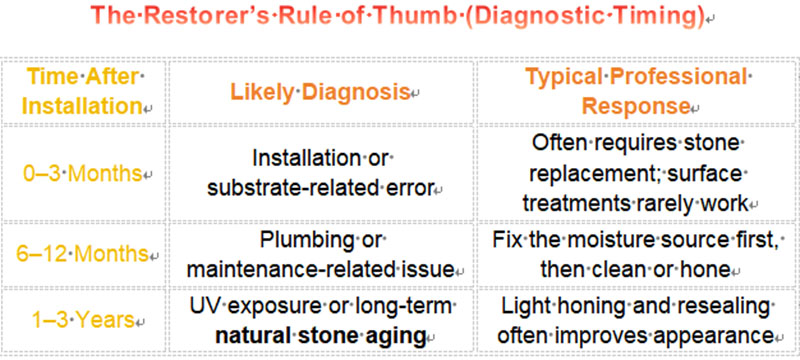
Discoloration appearing shortly after installation points to the installation system: installation moisture, substrate condition, mortar color, moisture-sensitive stone, adhesive compatibility and optical show-through.
"Natural aging" explains nothing about discoloration that appears within weeks of installation.
Mineral-related discoloration does not have to appear quickly. Diffuse yellow-brown staining associated with iron-bearing minerals is documented developing well after installation, on stone that looked entirely correct through its first months of service.
The consequence is that passing visual inspection at handover clears nothing. A quiet first year is not evidence that the minerals are inert; it may only mean the moisture path has not yet done enough work. When delayed discoloration is diffuse or vein-related and the installation carries a continuing moisture history, investigate the minerals and the moisture path together.
Flooding makes moisture and iron the immediate priorities, but it does not establish where the iron came from. It may originate in the stone, in plumbing, in groundwater, or in the flood water itself. Check the marble and the water source.
Once installed, marble stops being an isolated slab.
It becomes one layer in a moisture-transport and drying assembly.
That assembly can include concrete or screed, waterproofing, mortar or thinset, adhesive, the marble, grout, seams, backing materials and surface treatments. Four decisions inside it drive most early yellowing.

White setting material.White thinset is the safer visual choice for white and translucent marble, because the stone reveals the tone of the bed. Gray mortar or a dark substrate creates warm or shadowed areas with no internal iron reaction involved.
Rapid-setting mortar.This addresses a different problem. White mortar solvescolor compatibility; rapid-setting mortar limitsexposure to installation waterfor stone that reacts poorly to prolonged moisture. For more sensitive materials, a reaction-resin system may be appropriate where the stone and adhesive manufacturers both support it. These are not interchangeable decisions, and choosing white mortar does not address moisture at all.
Resin and mesh backing.Some slabs and tiles are reinforced with resin and fiber mesh, which adds another material interface. Certain mesh adhesives are moisture-sensitive, and the weak point is often the bond between backing and stone rather than between mortar and backing. A regular mesh-like grid in the discoloration points at the backing system before it points at random mineral oxidation.
Backing condition is a supplier-side fact, not something an installer should have to discover on site. We identify whether the marble we supply carries resin or mesh backing so the setting system can be chosen around it rather than against it.
Substrate moisture.Concrete and screed are not dry because a certain number of days have passed. Verify the actual moisture condition and compare it against the requirements of the selected mortar, membrane and installation system.
Each test answers one question. Most disputes about yellowing come from using a test to answer a question it was never designed for.
| Test or Check | What It Tells You | What It Does Not Tell You |
|---|---|---|
| ASTM C97 | Water absorption and bulk specific gravity | Whether the stone contains pyrite or will yellow |
| ASTM C503 | Physical requirements for marble dimension stone | A proven yellowing threshold |
| ASTM C1721 | Petrographic and mineralogical information relevant to staining and color change | Guaranteed future field performance |
| ASTM F2170 | Internal relative humidity of concrete | Which mineral caused a yellow stain |
| ASTM F1869 | Concrete moisture vapor emission, reported as lb/1,000 ft²/24 h | Whether the marble contains iron |
| Comparative moisture reading | Whether the affected area is wetter than a control area | The chemistry of the stain |
| Full-system mockup | Visual and installation compatibility | Every possible long-term field condition |
ASTM C503 sets a maximum water absorption of0.20%for calcitic and dolomitic dimension marble.
That is a physical-property requirement, not a yellowing threshold.
Meeting it proves nothing about pyrite, hematite or other localized iron-bearing minerals in the batch.
ASTM C97 measures how much water the stone absorbs under the test method. Petrographic examination such as ASTM C1721 investigates which minerals and constituents are actually present.
Where the concern is internal iron-related discoloration, mineralogical information is directly relevant and a low absorption number is not. Absorption and mineralogy are simply not the same property.
ASTM F2170 and F1869 establish whether the concrete substrate is an active moisture variable. They say nothing about whether the yellow pigment came from pyrite, external iron, an adhesive or another source. A higher moisture reading in a yellow area supportsmoisture involvement, not a specific chemical diagnosis.
A project-specific72-hour soak testis a reasonable screening step: it can expose fast-reacting material before that material reaches the job. What it cannot do is clear a stone for long-term service. Mineral-related staining develops over months, and installation conditions include variables a short water test does not reproduce.
Restoration potential depends entirely on which layer changed color, and the range runs from routine to unrecoverable.
| Diagnosis | Restoration Outlook | What Has To Happen First |
|---|---|---|
| Wax, coating, maintenance residue or trapped dirt | Usually reversible | Controlled cleaning or stripping test |
| External iron source | Reversible once the source is gone | Remove or isolate the metal or water source |
| Optical show-through from the setting bed | Not a stain at all | Address as an installation issue, not a stone issue |
| Active moisture or leak | Recurs until the source is closed | Trace and stop the water path |
| Deep internal iron oxidation | Partially reversible at best | Mineralogical assessment before treatment |
Two of those rows deserve emphasis. If yellowing returns shortly after cleaning, stop repeating the same surface treatment — the source is active and below the finish. And deeply seated rust-like staining from internal minerals may improve under repeated professional treatment without ever fully clearing.
Marble is an acid-sensitive carbonate stone, and a chemical strong enough to lift iron staining is usually strong enough to etch the surface.
Removing the stain and preserving the finish are two separate problems.
Do not treat a rust-colored stain as a straightforward cleaning task before the stain type and the stone's response are understood.
No.Annual sealing is widely recommended as yellowing prevention, and it does not work that way.
A compatible impregnating sealer reduces certain liquid exposures and improves stain resistance. It cannot remove iron already present in the marble, correct an active leak, dry a wet substrate, fix incompatible setting materials, or prevent oxidation.
Where backside or edge moisture is a known project risk, specify a treatment designed for that interface and confirm it is compatible with the bonding system. A blanket "seal all five sides" rule is not a substitute for that decision.
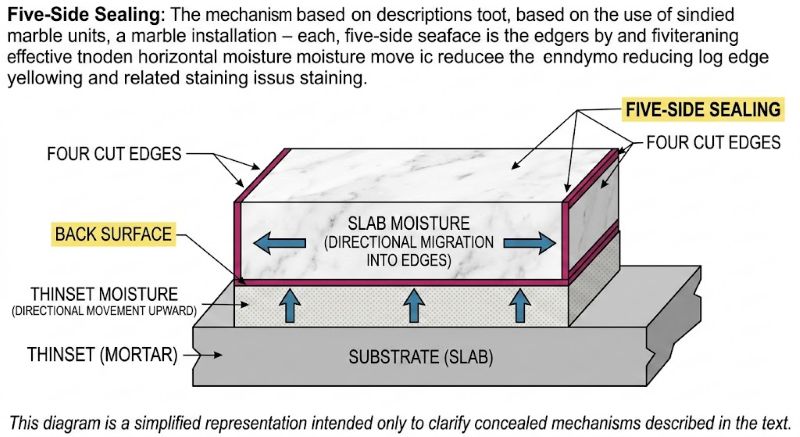
Commercial stone names do not guarantee identical accessory-mineral distribution between slabs, so specifying by name alone leaves the main variable uncontrolled. Review the actual slabs or batch for calcitic or dolomitic mineralogy where relevant, visible mineral spots, vein characteristics, translucency, resin or mesh backing, and any known moisture sensitivity.
This is the point where a supplier either helps or gets in the way. As a marble factory, we work from the specific batch rather than the commercial name: we show the actual slabs reserved for a project, point out visible mineral spots and how the veining behaves across the pieces, and state the backing condition of the material as supplied. None of that predicts field performance by itself. It does move the decision from a name to a material.
Questions worth putting to any white marble supplier before an order is confirmed:
A supplier who cannot answer the first two is describing a name rather than a shipment.
Specify the stone together with the substrate, mortar or adhesive, waterproofing, grout, backside or edge treatment, and surface treatment. For resin-backed or moisture-sensitive marble, confirm compatibility before full installation rather than after.
For large commercial, hospitality and other high-value white marble projects, the mockup should include the actual marble, substrate, setting material, backing condition, grout and any relevant surface or backside treatment.
A full-system mockup exposes show-through, coverage differences, moisture marks and material incompatibility while the problem is still limited to one panel instead of an entire floor.
افحص رطوبة الخرسانة أو طبقة التسوية، والصرف، والعزل المائي، والتسريبات، والحواف المكشوفة، وظروف التجفيف. لا يُعدّ العمر الزمني مؤشراً على مستوى الرطوبة.
عندما يبدأ الرخام الأبيض بالتحول إلى اللون الأصفر، اتبع هذا الترتيب في معالجته:
لا تُجدي الأدلة نفعاً إلا عند دمجها معاً:
النمط + الموقع + التوقيت + الرطوبة + تاريخ التركيب + علم المعادن
لا يمكن لأي قراءة منفردة للرطوبة أو قيمة امتصاص أو نمط مرئي أن تحل محل هذا التسلسل.
ينبغي تشخيص اصفرار الرخام الأبيض قبل معالجته، ويبدأ التشخيص بتحديد موضع اللون بدلاً من سببه. حدد الطبقة أولاً، ثم استخدم الهندسة والموقع والتوقيت وظروف الرطوبة لتحديد ما إذا كان الفحص يتعلق بالحجر نفسه، أو السطح، أو نظام التركيب. في حالة التصبغات الداخلية الصفراء البنية غير المعالجة، تُعدّ الأدلة المعدنية أكثر أهمية من أي قياس لامتصاص اللون.
عادة ما تعود مشاكل الاصفرار إلى قرار تم اتخاذه قبل وقت طويل من موقع العمل: اختيار تم تأكيده من اسم تجاري وصورة عينة واحدة، مع ترك الدفعة والطبقة الداعمة ونظام التركيب المقصود مفتوحة.
نُورّد الرخام الأبيض من المصنع مباشرةً، وليس من خلال كتالوج، على شكل ألواح أو قطع حسب المقاس. يمكننا تحديد وتوثيق جميع التفاصيل المتعلقة بالدفعة المستخدمة في المشروع، وحالة الطبقة الخلفية للمادة، والتشطيب النهائي قبل الشحن، وهي أمور يُفضّل تحديدها في مرحلة تقديم العرض بدلاً من مرحلة المطالبة.

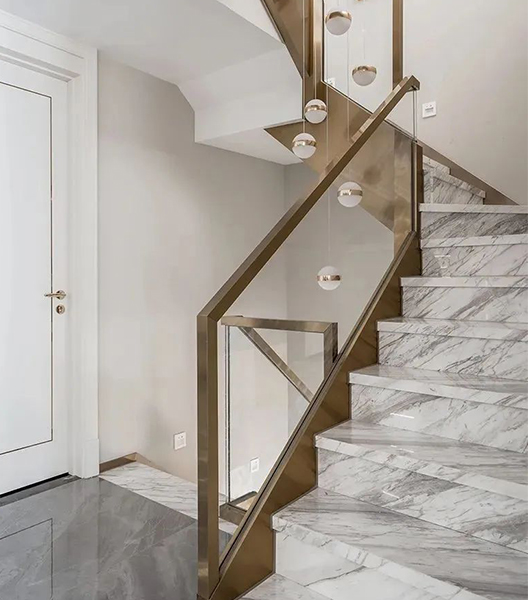
إذا كنت تحدد الرخام الأبيض لمشروع حيث يكون التعرض للرطوبة أو الشفافية أو حالة الطبقة الخلفية أمراً مهماً،أخبرنا بالتطبيق ونظام التثبيت الذي تستخدمهوسنعمل انطلاقاً من المواد المتاحة فعلياً. يمكنك أيضاًاطلع على مجموعتنا من ألواح الرخام الأبيض والبلاط والقطع حسب المقاسبالنسبة لما هو متاح حاليًا.
فئات
بلوق جديد
 ROOM 205,NO.45, MIDDLE HAIJING ROAD,XIAMEN,AREA OF PILOT FREE TRADE ZONE(FUJIAN)OF CHINA
for استفسارات حول منتجاتنا أو الأسعار بينها، يرجى ترك لنا وسنكون على اتصال في غضون 24 ساعات.



© حقوق النشر: 2026 XIAMEN EXCELLENT STONE CO.,LTD. كل الحقوق محفوظة.

دعم شبكة IPv6