العربية




إجابة سريعة
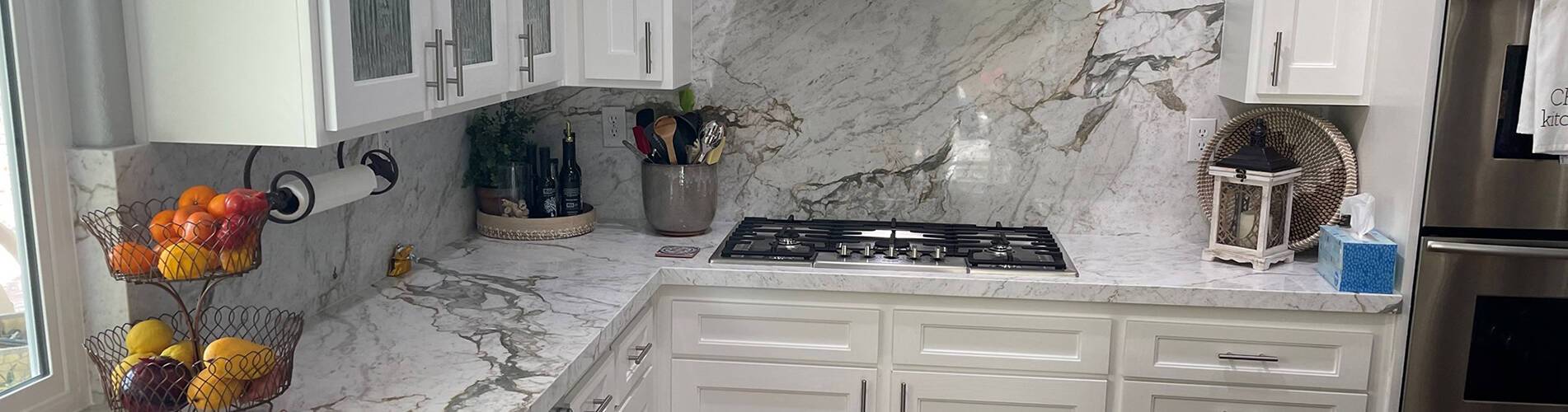
بالنسبة لمعظم طلبات ألواح الجرانيت المستوردة، تُعد سماكتا 20 مم و30 مم السماكتين الرئيسيتين للمقارنة.
نوصي عادةً بـ ألواح جرانيت بسماكة 20 مم للإنتاج القياسي لأسطح العمل، لأنها تستخدم كمية أقل من الحجر، وتكلفتها أقل وتوفر كفاءة أفضل في الحاويات. وهي مناسبة لأسطح عمل المطابخ العادية، وأسطح الزينة، والتصنيع المحلي عندما تكون القطع النهائية ذات فتحات بأحجام طبيعية ودعم موثوق من الخزائن أو الإطارات.
نوصي بـ ألواح جرانيت بسماكة 30 مم للجزر الكبيرة، وفتحات الأحواض أو مواقد الطهي الكبيرة، والأجزاء الحجرية الضيقة، وأسـطح العمل التي تتطلب حافة سميكة صلبة بدون تصفيح.
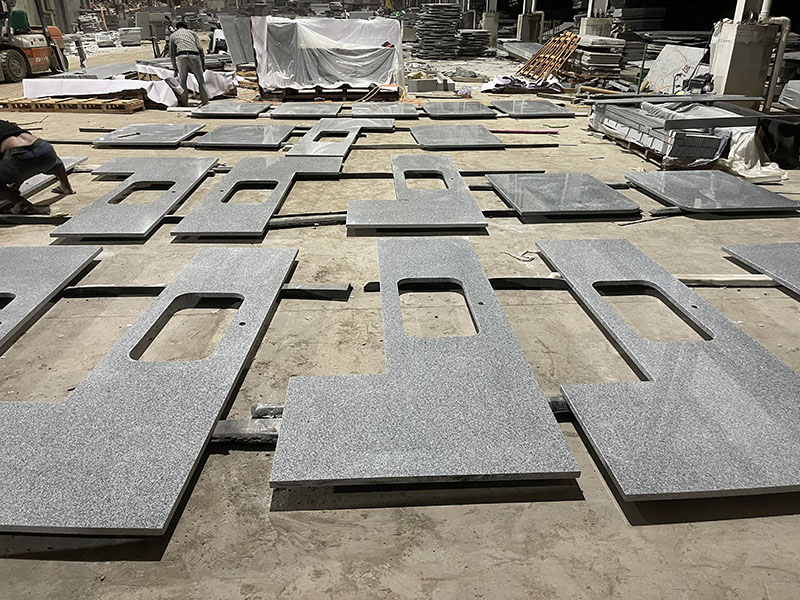
تنطبق توصيات السماكة هذه على كل من الصيغ الجاهزة والمقاسات المخصصة في مجموعة أسطح عمل مطابخ الجرانيت الخاصة بنا، بما في ذلك الأسطح القياسية والجزر والمكونات ذات أحجام المشاريع.
أكثر سماكتي ألواح الجرانيت شيوعًا هما 20 مم (2 سم أو ما يقارب 3/4 بوصة) و30 مم (3 سم أو ما يقارب 1 1/4 بوصة). كلتاهما مواصفات قياسية في توريد الألواح عالميًا، رغم اختلاف تفضيلات السوق.
يُستخدم مقاس 20 مم على نطاق واسع من قبل مصنّعي أسطح العمل الذين يعطون الأولوية لتكلفة اللوح الأقل، ووزن المناولة الأخف، وكفاءة الحاويات الأفضل. أما خيار 30 مم فهو أكثر شيوعًا للجزر الكبيرة، والفتحات الكبيرة، وأسـطح العمل التي تتطلب حافة سميكة صلبة.
تتوفر بعض مواد الجرانيت أيضًا بسماكة 18 مم أو سماكات مخصصة، لكن معظم مستوردي الألواح يمكنهم البدء بالاختيار بين 20 مم و30 مم. وبما أن توفر السماكات يختلف حسب نوع الحجر وحجم الكتل الحالي، يمكن للمشترين استخدام مجموعة ألوان الجرانيت الخاصة بنا لاختيار المواد المناسبة مبدئيًا قبل تأكيد السماكة المطلوبة وأبعاد الألواح.
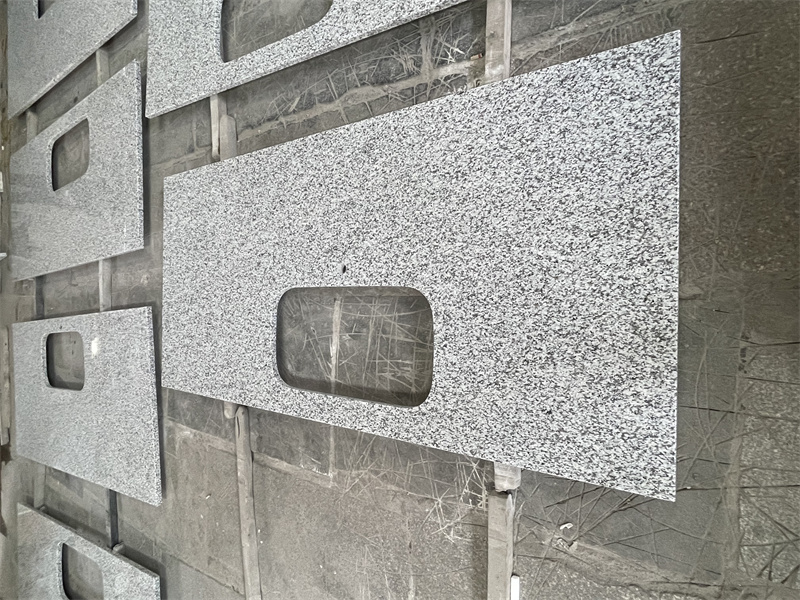
بالنسبة لطلبات أسطح العمل القياسية، يكون جرانيت 20 مم عادةً كافيًا وأكثر تنافسية من حيث السعر، لذلك نوصي به أولًا.
| اعتبار الشراء | ألواح جرانيت بسماكة 20 مم | ألواح جرانيت بسماكة 30 مم |
|---|---|---|
| الحجر المستخدم لكل متر مربع | 0.020م³ | 0.030م³ |
| الوزن المعتاد | 50–54 كجم/م² | 75–81 كجم/م² |
| السعر المعتاد | أقل بحوالي 8%–10% | أعلى |
| تكلفة الشحن لكل متر مربع | يمكن أن تكون أقل بحوالي 33% | أعلى |
| الاستخدام الموصى به | أسطح العمل القياسية، وأسطح الزينة والتصنيع المحلي | الجزر الكبيرة، والفتحات الرئيسية والحواف السميكة الصلبة |
يستخدم لوح جرانيت بسماكة 20 مم حجرًا أقل بنسبة 33.3% ويزن تقريبًا أقل بمقدار 25–27 كجم لكل متر مربع من نفس المادة بسماكة 30 مم.
يكون سعره عمومًا أقل بحوالي 8%–10% تقريبًا. وبما أن الوزن أقل أيضًا بمقدار الثلث، يمكن للحاوية المحدودة بالوزن أن تحمل تقريبًا مساحة ألواح أكبر بنسبة 50%، مما يقلل تكلفة الشحن البحري المخصصة لكل متر مربع بحوالي 33%.
على سبيل المثال، قد تحمل حاوية تنقل حوالي 240 مترًا مربعًا من الألواح بسماكة 30 مم حوالي 360 مترًا مربعًا بسماكة 20 مم. يعتمد التحميل الفعلي على أبعاد الألواح وكثافة الجرانيت ووزن التغليف.
نعم. نوصي عادةً بجرانيت بسماكة 20 مم لأسطح عمل المطابخ القياسية وأسطح الزينة.
تظهر المخاطر الرئيسية حول الفتحات الكبيرة وأجزاء الحجر المتبقية الضيقة، مثل حواف الأحواض، وفتحات مواقد الطهي، والمنطقة بين حوضين. تتطلب هذه الأجزاء دعمًا إضافيًا أثناء التصنيع والنقل والتركيب.
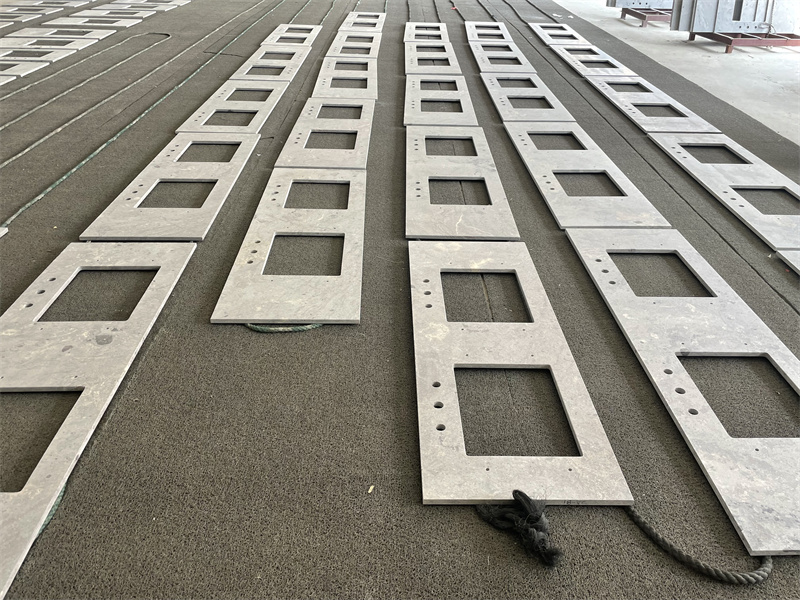
بالنسبة لأسطح عمل المطابخ العادية ذات فتحات الأحواض ومواقد الطهي القياسية، تُعد سماكة 20 مم نقطة البداية المعتادة.
توفر سماكة كافية للمصنعين ذوي الخبرة مع تقليل سعر اللوح ووزن المناولة في الورشة وتكلفة الشحن لكل متر مربع.
اختر 30 مم عندما يتطلب المشروع:
بالنسبة لأسطح الزينة القياسية ذات الحوض الواحد والأحواض المزدوجة العادية، تكون سماكة 20 مم كافية عادةً.
يجعل العمق الأصغر والدعم المستمر للخزائن أسطح الزينة استخدامًا عمليًا للألواح الأخف وزنًا. كما يحسن الوزن الأقل كفاءة التعبئة والتركيب لبرامج الفنادق والمباني متعددة الوحدات والبيع بالجملة.
ضع في الاعتبار سماكة 30 مم لأسطح الأحواض المزدوجة الطويلة، أو الأقسام الحجرية الضيقة بين الفتحات، أو التصاميم التي تتطلب حافة سميكة صلبة.
بالنسبة لجزر المطابخ الكبيرة، نبدأ عادةً بـ جرانيت بسماكة 30 مم.
قد تتضمن الجزر الكبيرة فتحات واسعة للأحواض أو مواقد الطهي، ومناطق طويلة غير مدعومة، وبروزات للجلوس. يمكن أن تترك هذه الميزات أقسامًا حجرية ضيقة حول النقاط المعرضة للخطر.
يمكن إنتاج جزيرة بسماكة 20 مم عندما:
ومع ذلك، بالنسبة للشراء والتصنيع المبسطين، تكون سماكة 30 مم عادةً الخيار الأكثر أمانًا.
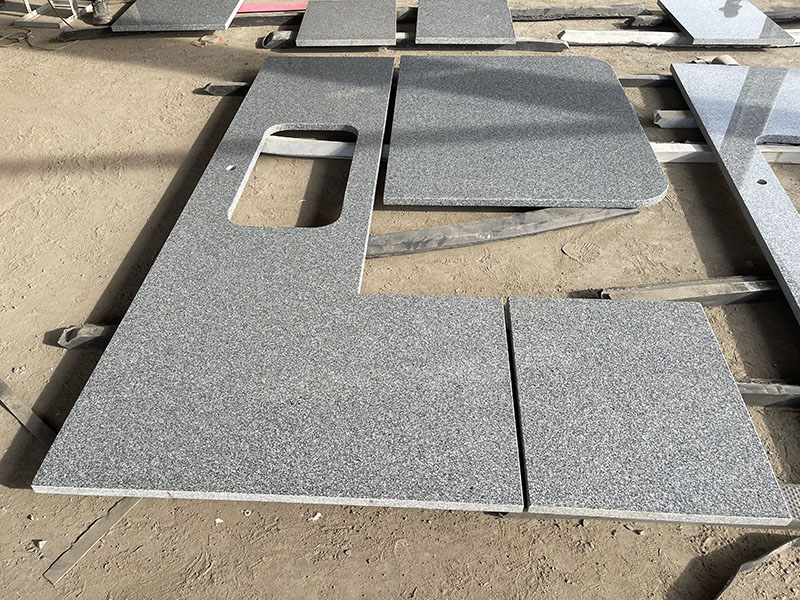
بالنسبة لبرامج أسطح العمل مسبقة التصنيع، يمكن أن توفر سماكة 20 مم ميزة تجارية قوية من خلال تقليل استخدام المواد ووزن القطعة النهائية وتكلفة الشحن لكل متر مربع.
يمكن إضافة حافة أمامية مصفحة عندما يتوقع السوق المستهدف مظهرًا أكثر سماكة. اختر سماكة 30 مم عندما يُباع سطح العمل كمنتج بسماكة صلبة ويكون التخلص من تصفيح الحافة أكثر قيمة من زيادة سعة الحاوية إلى أقصى حد.
يعمل اللوح بسماكة 20 مم بشكل جيد مع الحواف المستقيمة والمخففة والمشطوفة. عند الحاجة إلى مظهر أكثر سماكة، يمكن تثبيت شريط جرانيت مطابق أسفل الحافة الأمامية لإنتاج شكل مصفح.
يسمح ذلك للمصنّعين بالحفاظ على مزايا التكلفة والشحن الخاصة بسماكة 20 مم مع توفير سطح عمل يبدو أكثر سماكة.
ينشئ اللوح بسماكة 30 مم حافة أكثر سماكة بدون تصفيح، ويكون عادةً أكثر ملاءمة للحواف العميقة المستديرة وأنماط الحواف المزخرفة وغيرها من التشكيلات الكبيرة.
لذلك يجب اختيار شكل الحافة قبل تأكيد سماكة اللوح. طلب سماكة 20 مم ثم طلب حافة صلبة عميقة لاحقًا يضيف أعمال تصنيع إضافية. أما طلب سماكة 30 مم لحافة مستقيمة نحيفة فيضيف وزنًا وتكلفة دون توفير قيمة إضافية كافية.
| نوع الطلب | نقطة البداية الموصى بها |
|---|---|
| مخزون الألواح القياسي للتصنيع المحلي | 20 مم |
| أسطح عمل المطابخ العادية | 20 مم |
| أسطح الزينة القياسية | 20 مم |
| أسطح عمل مسبقة الصنع بحواف مغطاة بطبقة مصفحة | 20 مم |
| جزر مطبخ كبيرة | 30 مم |
| أسطح أحواض مزدوجة بأقسام حجرية ضيقة | مراجعة لـ 30 مم |
| فتحات واسعة للأحواض أو مواقد الطهي | مراجعة لـ 30 مم |
| أسطح عمل صلبة بحواف سميكة | 30 مم |
| مشاريع سكنية أو تجارية مختلطة | الجمع بين 20 مم و30 مم |
يمكن أن يكون طلب بسماكات مختلطة أكثر اقتصادية من تغيير جميع أسطح العمل إلى 30 مم.
يحافظ هذا النهج على مزايا السعر والشحن لسماكة 20 مم مع استخدام 30 مم فقط في الأماكن التي توفر فيها فائدة تصنيع مهمة.
قبل تأكيد سماكة الألواح، يجب أن تكون المتطلبات الرئيسية لأسطح العمل واضحة بالفعل:
عند توفر الأبعاد النهائية أو الرسومات، يمكننا التوصية بما إذا كان يجب أن يبقى الطلب بسماكة 20 مم، أو ينتقل إلى 30 مم، أو يجمع بين السماكتين.
بالنسبة لمصنّعي أسطح العمل ذوي الخبرة، يجب أن تكون سماكة 20 مم الخيار الأول لاستيراد ألواح الغرانيت القياسية.
تكون كافية عمومًا لأسطح عمل المطابخ العادية وأسطح الزينة مع توفير:
استخدم 30 مم عندما يوفر القسم الحجري الإضافي فائدة واضحة، خاصة للجزر الكبيرة، والفتحات الرئيسية، والأقسام الحجرية الضيقة، والحواف الصلبة السميكة.
إن خطة الشراء الأكثر اقتصادية ليست استخدام 30 مم لكل سطح عمل. بل استخدام 20 مم للطلب الرئيسي وإضافة 30 مم فقط عندما يبرر تصميم سطح العمل ومخاطر التصنيع التكلفة والوزن الإضافيين.
نعم. لوح جرانيت بسماكة 20 مم مناسب لمعظم أسطح المطابخ القياسية عندما يكون الجزء العلوي مدعومًا بشكل موثوق بواسطة الخزائن أو الإطار وتكون فتحات الأحواض ومواقد الطهي ذات أحجام عادية.
يتميز اللوح بسماكة 30 مم بقطاع حجري أكثر سماكة ويوفر عادةً صلابة أكبر من الجرانيت نفسه بسماكة 20 مم. وهو مفيد للقطع النهائية الكبيرة والفتحات الرئيسية والحواف السميكة الصلبة، لكنه ليس ضروريًا لكل سطح مطبخ قياسي.
تبلغ تكلفة لوح جرانيت 20 مم عمومًا حوالي 8%–10% أقلمن مادة 30 مم المكافئة. كما أنه يزن أقل بمقدار الثلث، مما قد يقلل تكلفة الشحن البحري لكل متر مربع بحوالي 33%في شحنة حاوية كاملة تكون محدودة بالوزن.
نعم. يمكن للمشروع استخدام سماكة 20 مم لأسطح المطابخ القياسية وأسطح الزينة، مع استخدام سماكة 30 مم للجزر الكبيرة أو الفتحات الواسعة أو القطع الأكثر عرضة للمخاطر.
نعم. يمكن إنتاج مواد جرانيت مختارة بسماكات خارج نطاق 20 مم و30 مم المعتاد، بما في ذلك 18 مم ومواصفات مخصصة أخرى لمشاريع محددة.
فئات
بلوق جديد
 ROOM 205,NO.45, MIDDLE HAIJING ROAD,XIAMEN,AREA OF PILOT FREE TRADE ZONE(FUJIAN)OF CHINA
for استفسارات حول منتجاتنا أو الأسعار بينها، يرجى ترك لنا وسنكون على اتصال في غضون 24 ساعات.



© حقوق النشر: 2026 XIAMEN EXCELLENT STONE CO.,LTD. كل الحقوق محفوظة.

دعم شبكة IPv6